
Interventional Pain Medicine
Interventional Pain Medicine is a medical subspecialty that uses targeted, minimally invasive procedures—such as injections, nerve blocks, and implantable devices—to diagnose and treat acute and chronic pain. Its primary goal is to find the root cause of discomfort, reduce inflammation, and restore physical function without relying solely on long-term daily medication
Common Conditions Treated
- Back and neck pain from herniated discs or spinal arthritis
- Joint pain in the shoulders, hips, and knees
- Nerve-related pain like sciatica or complex regional pain syndrome
- Persistent discomfort following an injury or surgery
Commom fields and uses
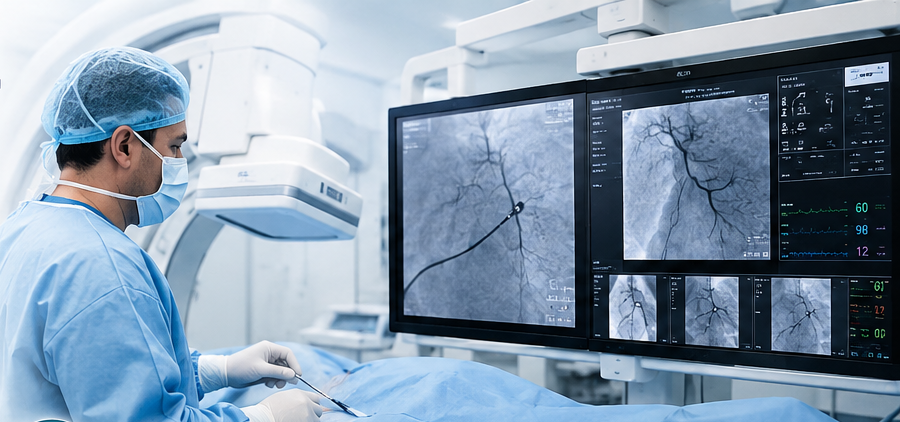
- Interventional Radiology
Core Characteristics of Interventional Pain Medicine
Minimally invasive: Uses small needles or catheters instead of large surgical cuts.
Precise treatment: Delivers medication directly to the source of pain.
Diagnosis and relief: Uses nerve blocks to identify and treat pain.
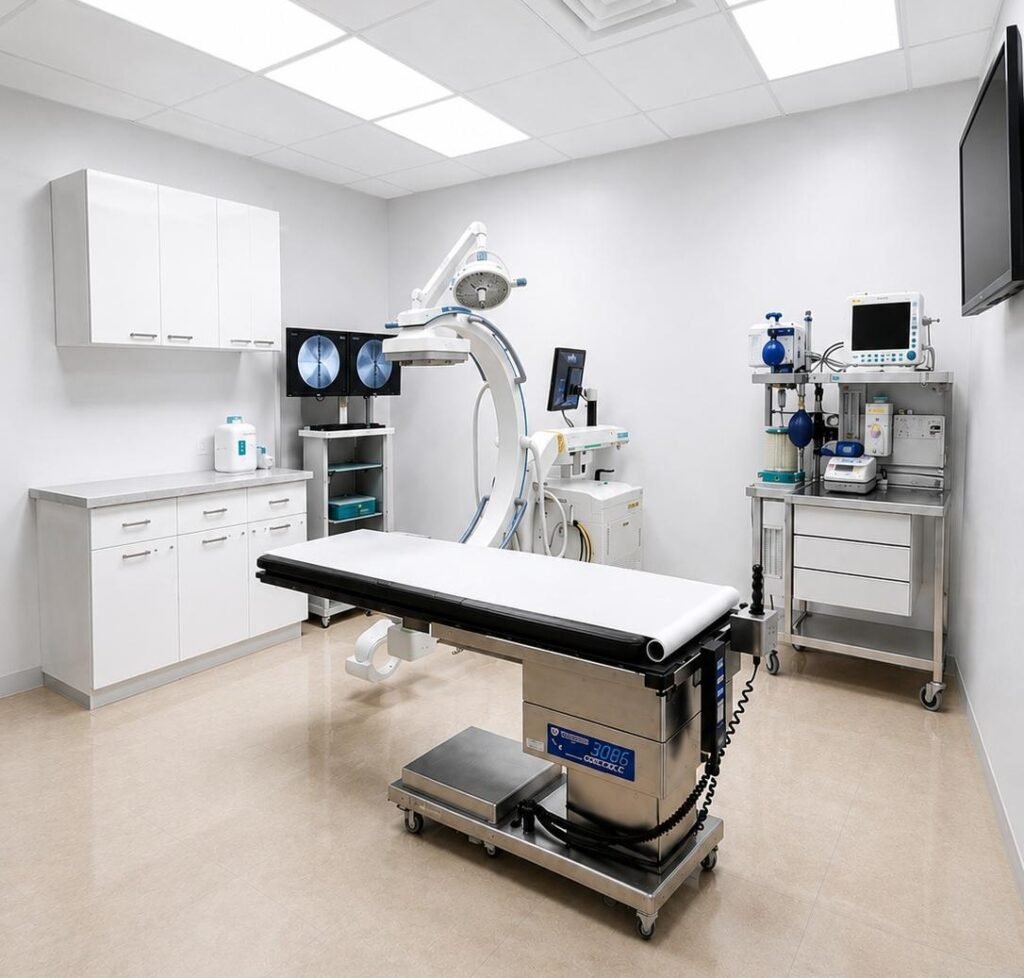
Image-guided procedures: Uses X-rays or ultrasound to guide treatment accurately.
Team-based care: Works with physical therapy, neurology, and behavioral health specialists.
Reducing opioids: Helps decrease or avoid long-term medication use.

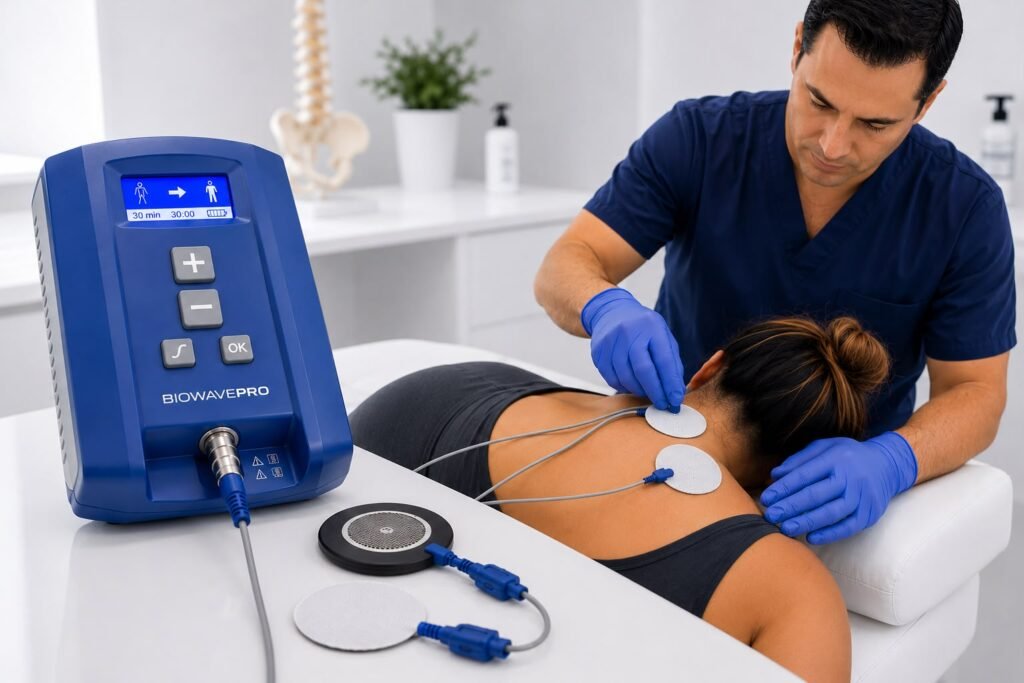
Patient's Benefits
No Hospitals
No hospitals stays or outpatient-care
Less Pain
Less Physical Pain and reduced infections risk
Faster recovery time
Faster recovery time
No large scars
No large surgical scars